


Vol. 1 · Original Chinese-Inspired Visuals
↗20 cases · ImagesPublished 09/10/2026
 PromptDirector中文Get the extension ↗
20 cases · ImagesPublished 09/10/2026



150 cases · ImagesPublished 09/10/2026
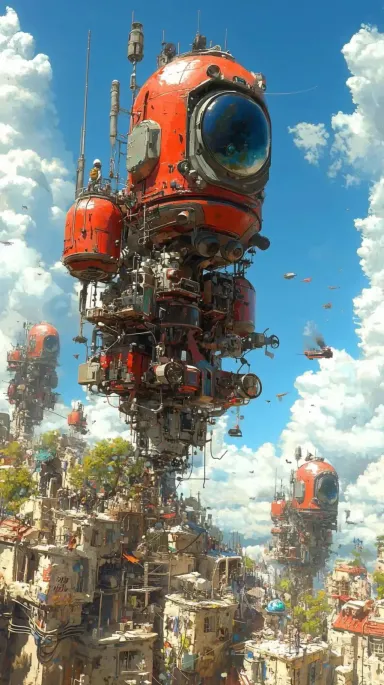


81 cases · ImagesPublished 09/10/2026
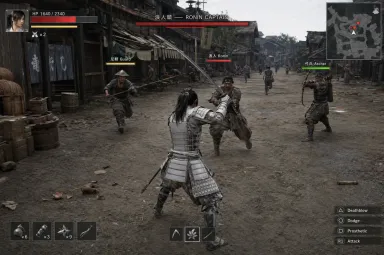
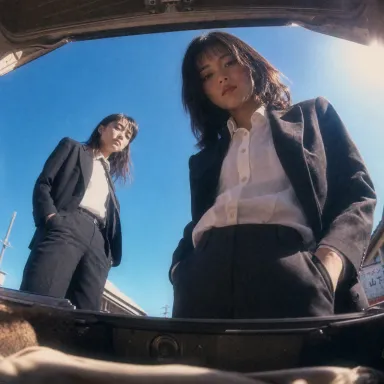
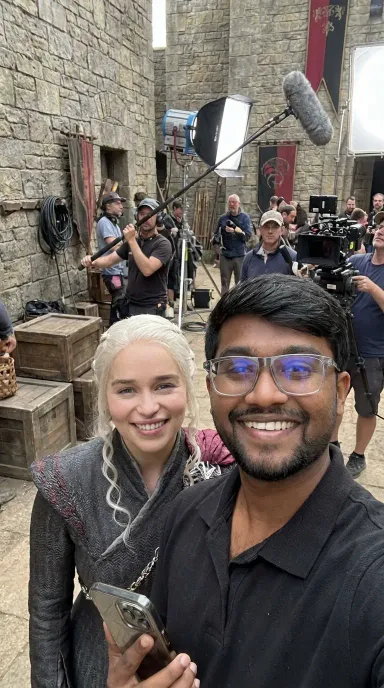
56 cases · ImagesPublished 09/10/2026



27 cases · VideosPublished 09/10/2026


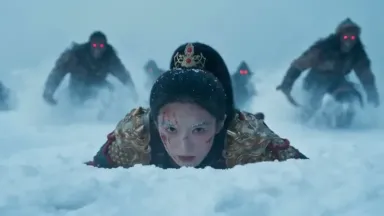
30 cases · VideosPublished 09/10/2026


25 cases · VideosPublished 09/10/2026



31 cases · VideosPublished 09/10/2026
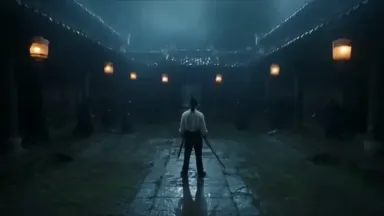

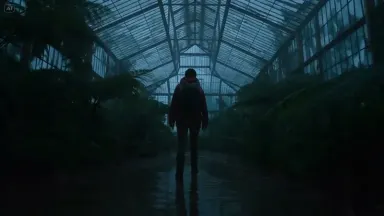
9 cases · VideosPublished 09/10/2026
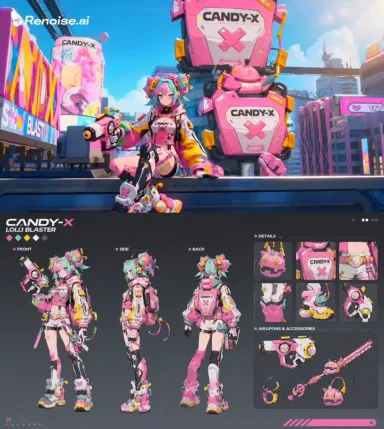
Define distinct roles for character sheets, first frames, locations, actions and product references to avoid swapped faces, mixed costumes, copied layouts and rigid poses.

Control the time states of the world, characters and camera separately. Use parallax, exceptions to frozen motion and causal resets to make freezes and rewinds readable.

Connect locations and camera paths before staging chases and reveals. Distinguish true long takes, occlusion-based transitions and montage.
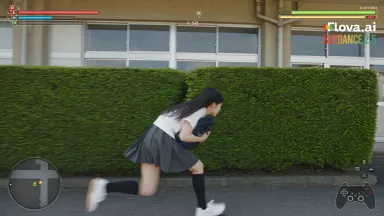
Connect objectives, player actions, enemy states, environmental changes and HUD feedback into readable gameplay instead of adding an interface to a cinematic shot.
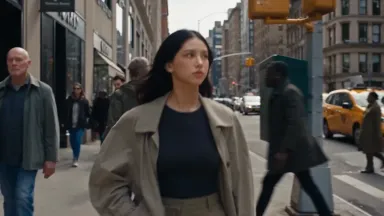
Choose demonstration actions, usage contexts and sound changes that prove real product benefits while preserving product identity. Distinguish UGC, material showcases and functional advertising.

Build believable vlogs and on-location footage around who holds the phone, why the camera turns, when focus slips and how shots connect. Avoid mechanically adding shake and grain.
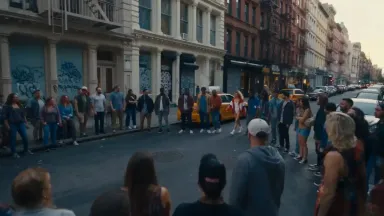
Describe dance as a continuous transfer of supporting feet, weight and movement direction, with edits driven by music. Keep lip sync distinct from dance choreography.

Specify when effects begin, where they attach, how they transform and how they end so energy, transformations and reconstruction retain traceable object relationships.

Establish scale through familiar objects, shared framing, contact reactions and camera distance, so giant and miniature subjects depend on visible evidence rather than adjectives.